
Why Wood Species Matter More Than Most Homeowners Realize
When homeowners say they want a cedar fence, many assume cedar is simply cedar.
The reality is: not all cedar is the same.
Two fence quotes may both say “cedar fence” on paper, but the actual material being used can vary significantly in appearance, durability, stability, and long-term performance.
At Babb Custom Deck & Fence, we believe homeowners should understand exactly what they’re getting—because material choice impacts not only how your fence looks on day one, but how it performs years later in South Dakota weather.
And there’s a reason we choose Western Red Cedar for our fence projects.
Why Cedar Is Popular in South Dakota
Cedar remains one of the most popular fencing materials because it naturally offers:
- Resistance to insects
- Resistance to decay
- Beautiful natural appearance
- Stability compared to lower-cost lumber options
But within the cedar category, there are several common options used throughout the Midwest.
1. Western Red Cedar (Our Preferred Choice)
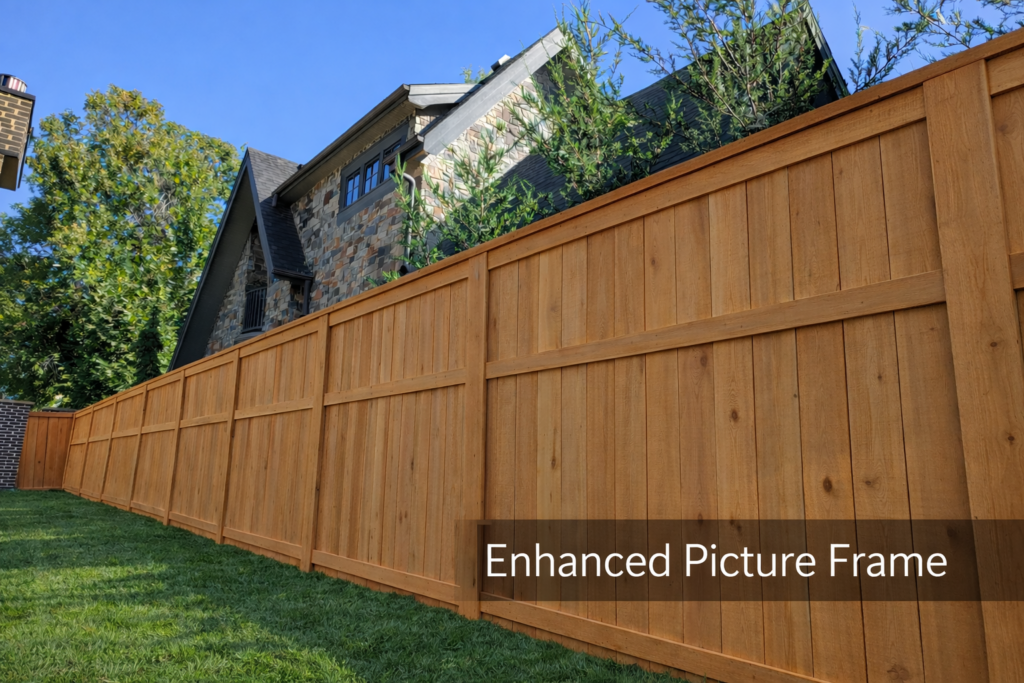
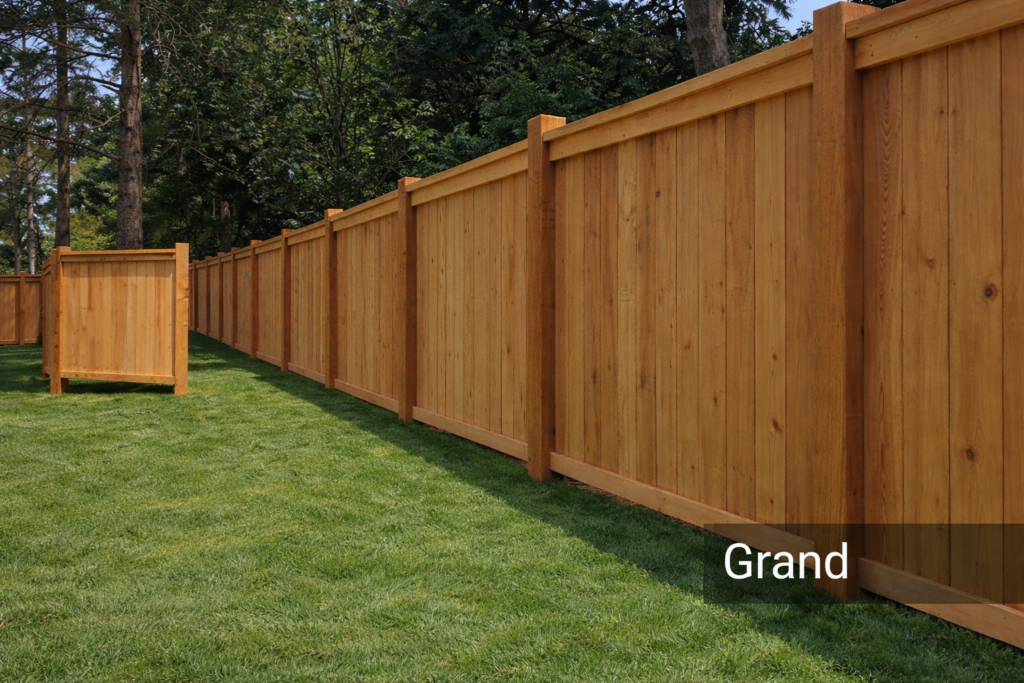
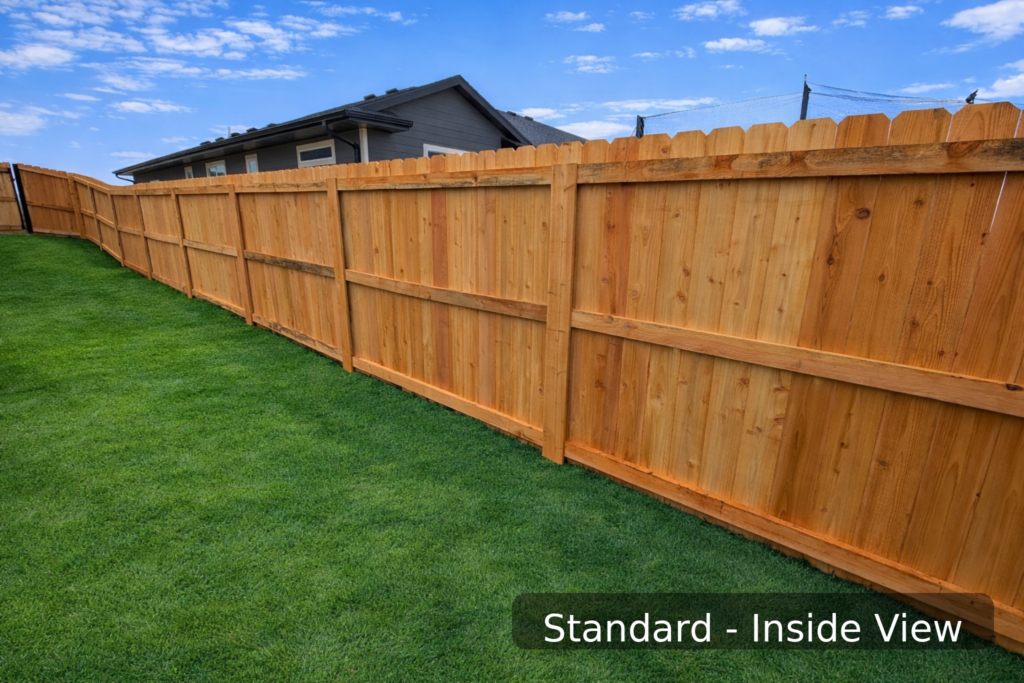

Western Red Cedar is considered by many to be the premium standard for wood fencing.
Pros
✔ Naturally resistant to decay and insects
✔ More dimensionally stable than many alternatives
✔ Less tendency to warp and twist
✔ Rich color variation and attractive grain patterns
✔ Accepts stain extremely well
✔ Ages beautifully if left natural
Cons
✘ Higher upfront cost
✘ Still benefits from periodic maintenance if preserving color
Why We Use It
At Babb Custom Deck & Fence, our focus is not simply on building fences that look good at completion—we want them to continue looking good years later.
Western Red Cedar consistently delivers:
- Better appearance
- Better long-term performance
- Better stability
- Better customer satisfaction
2. Inland Cedar / White Cedar Options
Some regional suppliers offer cedar varieties sometimes marketed as:
- Inland Cedar
- White Cedar
- Mixed Cedar products
These often serve as a lower-cost alternative.
Pros
✔ Lower upfront cost
✔ Lighter appearance
✔ Natural resistance to insects and moisture
Cons
✘ Typically contains more knots
✘ Greater variation in quality
✘ Can be more prone to movement over time
✘ Often less consistent in appearance
3. Imported or Mixed Cedar Products
Some lower-priced fence packages use imported cedar products or mixed-grade material.
Pros
✔ Lowest upfront price among cedar options
✔ Available through many suppliers
Cons
✘ Higher knot content
✘ Greater likelihood of warping or twisting
✘ Less consistency in board quality
✘ Shorter expected appearance life
Why Two “Cedar Fences” Can Look Similar—At First
This is where homeowners often get caught.
Two contractors may both say:
“We’re building a cedar fence.”
But they may be using entirely different products.
Day one?
Both fences may look nearly identical.
Three years later?
You may notice:
- More twisting
- More warping
- Uneven fence lines
- Greater shrinkage
- Increased maintenance needs
The difference often comes down to material quality.
The Cheeseburger Comparison
Think of cedar fencing like a cheeseburger.
McDonald’s sells more burgers than almost anyone.
Why?
Because they’re inexpensive and convenient.
But if you’re focused on:
- Better ingredients
- Better quality
- Better experience
You might choose Five Guys, Red Robin, or a Gordon Ramsay burger instead.
All are technically burgers.
They’re simply not built the same.
Cedar works similarly.
All cedar may carry the same name—but not all cedar performs equally.
“Why Go With the Cheap When in the Long Run the Good Costs Less?”
There’s a reason that saying sticks around.
Choosing lower-cost material can mean:
- More maintenance
- Earlier repairs
- Shorter lifespan
- Reduced curb appeal
Higher-quality material may cost more initially, but often delivers:
- Better appearance over time
- Longer life expectancy
- Less frustration
- Greater long-term value
The upfront difference often becomes small compared to years of ownership.
Why Material Quality Matters Even More in South Dakota
South Dakota weather is demanding:
- Strong winds
- Freeze–thaw cycles
- Snow accumulation
- Temperature swings
- Summer heat and sun exposure
Lower-quality materials tend to reveal weaknesses faster.
That’s why using stable, durable products matters.
Our Approach at Babb Custom Deck & Fence
We don’t focus on building the cheapest fence possible.
We focus on building fences that:
- Look clean and consistent
- Age well
- Use quality materials
- Hold up over time
That’s why Western Red Cedar remains our preferred wood fence material.
Because while the upfront investment may be greater:
Why go with the cheap when in the long run the good costs less?
Final Thoughts
Not all cedar is created equal.
When comparing fence quotes, don’t just ask:
“Is it cedar?”
Ask:
- What type of cedar?
- What grade of cedar?
- Why was that material selected?
Those answers can make a major difference in how your fence performs years from now.
Let’s Build a Fence Designed to Last
If you’re considering a cedar fence in Sioux Falls or the surrounding area, we’d be happy to explain the differences and help you choose materials built for long-term performance.
Contact Babb Custom Deck & Fence today and let’s build something designed for more than just day one.