
Choosing the right fence material is one of the most important decisions you’ll make for your property. In Sioux Falls and across South Dakota, your fence needs to handle wind, moisture, temperature swings, and freeze–thaw cycles—all while maintaining its appearance over time.
Two of the most common options homeowners consider are wood (typically cedar) and vinyl fencing. Both have their place, but they perform very differently depending on your priorities.
At Babb Custom Deck & Fence, we help homeowners understand the real-world pros and cons so they can choose what fits their property—not just what looks good on day one.
Understanding the South Dakota Factor
Before comparing materials, it’s important to recognize what your fence will face:
- Strong winds
- Snow and ice buildup
- Freeze–thaw cycles
- Moisture exposure
- Hot summer sun
The right material isn’t just about appearance—it’s about how it holds up over time in this environment.
Wood Fencing (Cedar)
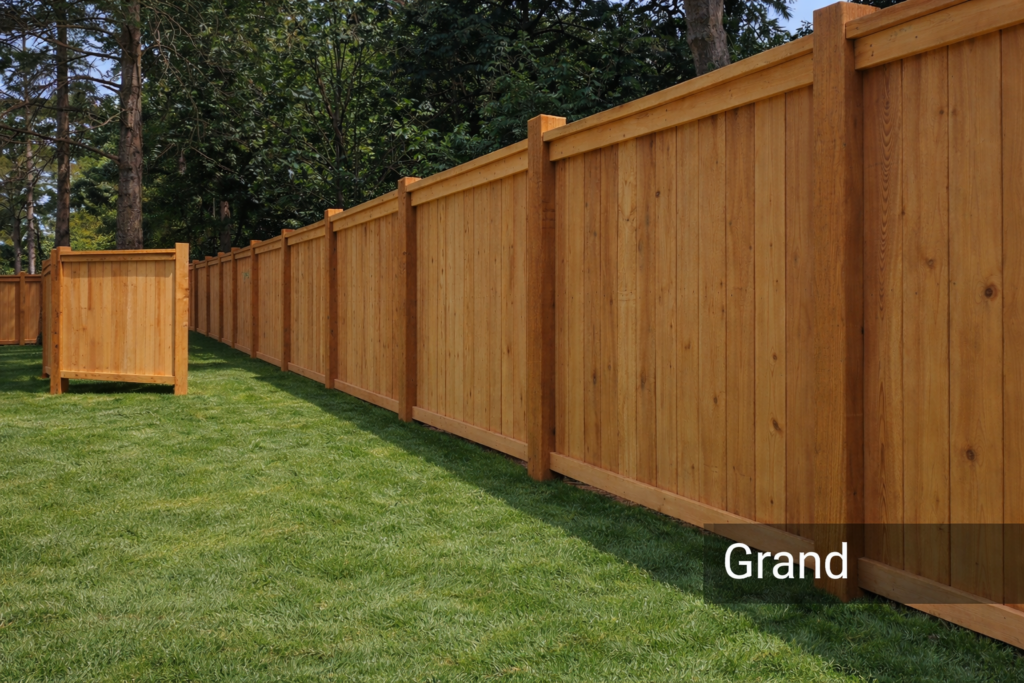
Wood fencing—especially cedar—is a timeless and highly customizable option.
Pros of Wood Fencing
✔ Natural Appearance
Cedar offers a warm, authentic look that blends well with nearly any home style.
✔ Customizable Design
From privacy fences to decorative styles, wood allows for more flexibility in layout, trim, and detail.
✔ Strong Initial Structure
When built correctly, wood fences are solid and durable.
✔ Can Be Stained or Left Natural
Homeowners can choose to maintain the color or allow it to weather naturally.
Cons of Wood Fencing
✘ Requires Maintenance
Staining or sealing is recommended to maintain appearance and longevity.
✘ Susceptible to Warping and Movement
South Dakota’s freeze–thaw cycles and moisture changes can cause boards to move over time.
✘ Shorter Lifespan Without Upkeep
Neglected wood fences will age faster and may require earlier replacement.
Vinyl Fencing
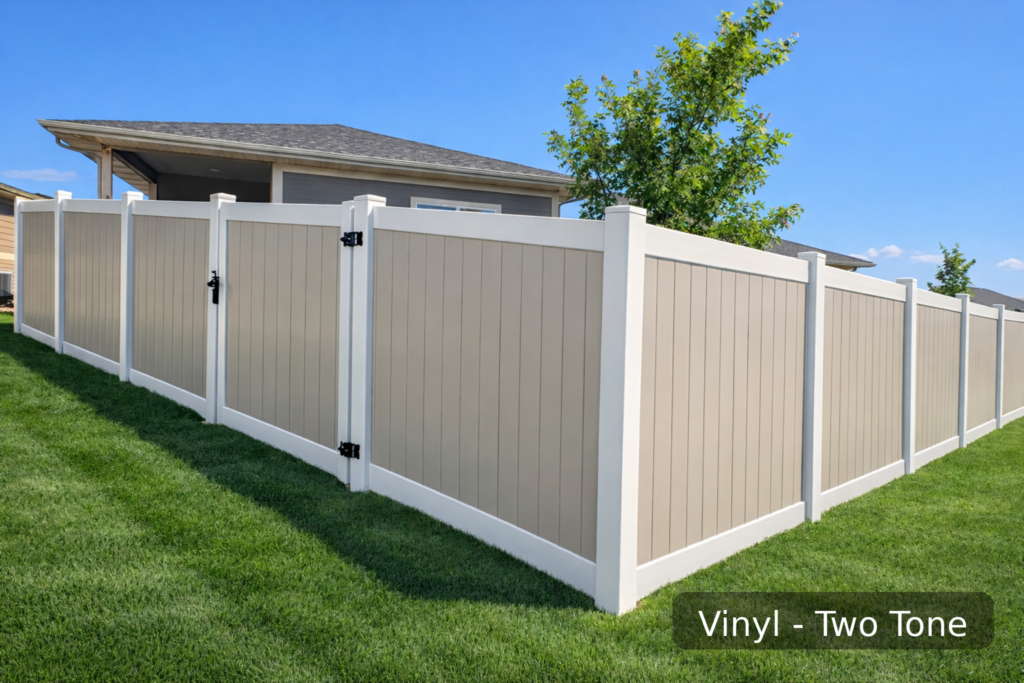
Vinyl fencing has become increasingly popular for homeowners looking for a low-maintenance solution.
Pros of Vinyl Fencing
✔ Low Maintenance
No staining, sealing, or painting required—just occasional cleaning.
✔ Consistent Appearance
Maintains its color and finish over time.
✔ Resistant to Rot and Insects
Does not absorb moisture like wood.
✔ Long-Term Durability
Quality vinyl products are designed to hold up well over time.
Cons of Vinyl Fencing
✘ Higher Upfront Cost
Vinyl typically costs more initially than wood.
✘ Limited Customization
Compared to wood, design flexibility is more limited.
✘ Can Become Brittle in Extreme Cold
In harsh winters, lower-quality vinyl can be more susceptible to cracking.
✘ Repairs Can Be More Involved
Damaged sections often require panel replacement rather than simple board swaps.
Key Differences at a Glance
| Feature | Wood Fence (Cedar) | Vinyl Fence |
| Appearance | Natural, warm | Clean, uniform |
| Maintenance | Moderate to high | Low |
| Cost (Upfront) | Lower | Higher |
| Longevity | Depends on upkeep | Consistent over time |
| Customization | High | Moderate |
| Weather Resistance | Good (with maintenance) | Very good |
Which Fence Is Right for Your Home?
Choose Wood (Cedar) If:
- You value natural aesthetics
- You want a custom design
- You’re willing to maintain it over time
- You prefer flexibility in style
Choose Vinyl If:
- You want low maintenance
- You prefer a clean, uniform look
- You plan to stay in your home long-term
- You want consistent performance with minimal upkeep
The Importance of Material Quality
Not all wood—and not all vinyl—is the same.
- Lower-grade wood can warp, twist, and fail faster
- Lower-quality vinyl can become brittle and crack
Two fences may look similar at installation, but their long-term performance can be very different.
At Babb Custom Deck & Fence, we focus on quality materials and proper installation to ensure your fence holds up in South Dakota conditions.
Final Thoughts
There’s no one-size-fits-all answer.
- Wood fences offer character, flexibility, and a natural look—but require maintenance
- Vinyl fences offer convenience, consistency, and low upkeep—but at a higher upfront cost
Both can be excellent choices when built correctly.
Let’s Build the Right Fence for Your Property
If you’re deciding between wood and vinyl fencing in the Sioux Falls area, we’re happy to walk through your options and help you choose what fits your goals, budget, and property.
Contact Babb Custom Deck & Fence to schedule a consultation and build a fence designed for South Dakota living.